

Explore Authentic Medieval Costumes: Your Ultimate Guide to Dresses, Knights, and Accessories
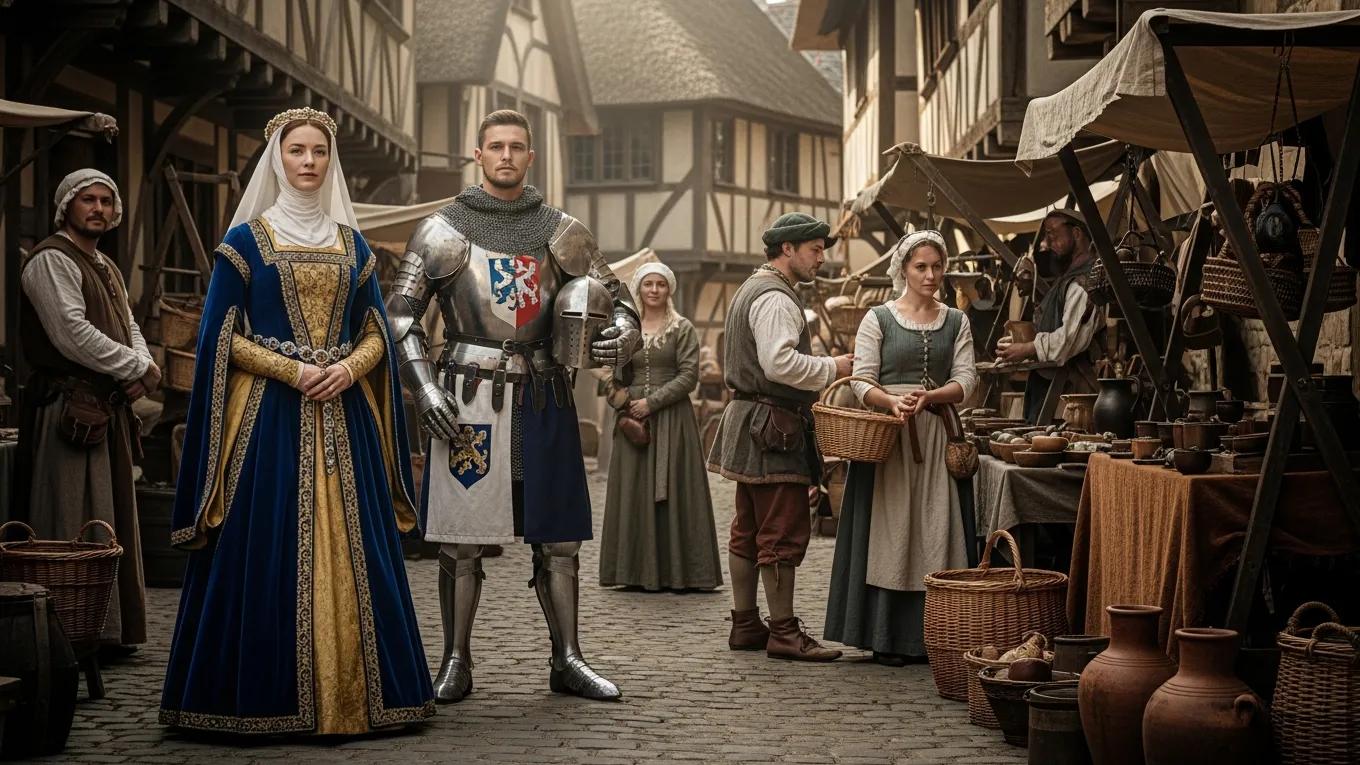
Medieval costumes bring history and fantasy to life, letting you step into the role of knights, ladies or warriors! This guide covers the main types of medieval costumes, their historical meaning, and how to pick the perfect outfit for themed parties and events. Whether you're heading to a Renaissance fair, Halloween or a historical reenactment, knowing the details of medieval dress will make your experience richer. We'll walk through knight, queen and lady styles, plus the accessories that finish the look, and where to buy or hire them in Australia.
Medieval Knight Attire
Knight attire features key pieces like tunics, chainmail and cloaks. These items were practical in battle and also showed a knight's status and bravery. Heraldic symbols often marked family identity. Jousts and medieval fairs are perfect occasions to wear a knight costume and soak up the chivalric spirit!
Components of Knight Attire

Key elements of knight attire include:
- Tunic : A long garment worn over armor, often featuring the knight's heraldry.
- Chainmail : A protective mesh made of interlinked metal rings, providing defense against weapons.
- Cloak : A flowing garment that adds an element of grandeur and warmth.
Together, these pieces create an authentic knightly look, perfect for reenactments and themed events!
Historical Significance
Knight clothing changed a lot as warfare and fashion evolved. Early tunics grew into more elaborate outfits as armour improved. Knowing this evolution deepens your appreciation of medieval costumes.
Medieval Queen and Lady Costumes
Queen and lady costumes shine with elegant, detailed designs. Flowing gowns, ornate sleeves and rich fabrics signalled wealth and status. These stunning outfits are ideal for themed parties and historical reenactments!
Components of Queen Costumes

Queen costumes often include:
- Gown : A long, flowing dress made from luxurious materials, often embellished with embroidery.
- Sleeves : Elaborate sleeves that can be wide and flowing or fitted, adding to the gown's grandeur.
- Headpiece : A decorative crown or headdress that signifies royal status.
These pieces combine to create a regal look that transports you back to the medieval court.
Historical Significance
Queenly fashion signalled social status and power, not just beauty. Knowing the historical context makes themed events more meaningful.
Medieval Maiden Costumes
Maiden costumes are simpler but full of charm. They use modest designs that reflect everyday life for many women in the medieval period. They're great for themed parties, festivals and educational events.
Components of Maiden Costumes
Maiden costumes generally include:
- Dress : A simple, long dress that allows for ease of movement.
- Apron : Often worn over the dress, adding a practical element to the outfit.
- Headscarf : A modest head covering that completes the look.
Together, these pieces create a wholesome, authentic maiden appearance.
Historical Significance
Maiden clothing reflects medieval social roles and daily life. Understanding these aspects gives deeper insight into the era's culture.
Medieval Warrior Costumes
Warrior costumes let you channel the fierce spirit of the battlefield! These outfits often include armour, weapons and accessories that strengthen the warrior look. They're ideal for events that celebrate medieval history and combat.
Components of Warrior Costumes
Warrior costumes typically feature:
- Armor : Protective gear that can range from simple leather to full plate armor.
- Weapons : Swords, shields, and other armaments that signify the warrior's role.
- Cloak : A dramatic addition that adds flair and authenticity.
These elements work together to create a bold and powerful presence!
Historical Significance
Warrior gear was both practical and symbolic of bravery and honour. Knowing its meaning can enrich your experience at historical events.
Medieval Monk Costumes
Monk costumes offer a window into medieval spiritual life. Their simple, modest style reflects humility and devotion. They're suitable for religious events, education and themed parties.
Components of Monk Costumes
Monk costumes generally include:
- Habit : A long robe that signifies the monk's order, often in muted colors.
- Cowl : A hood that covers the head, adding to the monk's anonymity.
- Belt : A simple cord or leather belt that cinches the robe.
These pieces create a calm, contemplative appearance.
Historical Significance
Monks helped preserve knowledge and culture during the Middle Ages. Learning about their attire reveals more about their contributions to society.
Accessories
Accessories finish medieval costumes and add authenticity and flair! From belts to jewellery, the right extras lift your whole outfit.
Types of Accessories
Key accessories for medieval costumes include:
- Belts : Often used to cinch garments and add style.
- Jewelry : Rings, brooches, and necklaces that signify status and wealth.
- Footwear : Boots or shoes that complement the costume.
These accessories boost the visual appeal and also serve practical purposes.
Importance of Accessories in Costumes
The right accessories can turn a basic costume into a showstopper — they're essential for an authentic medieval look!
What Defines a Medieval Costume? Understanding History and Styles
A medieval costume is defined by its historical context, materials and design elements that reflect the culture of the Middle Ages. Look for natural fabrics, detailed designs and pieces that signal the wearer's role in society.
How Did Medieval Dresses and Knight Costumes Evolve?
Medieval dresses and knight gear changed with fashion and warfare. Early clothing was simple and functional, while later styles became more ornate as textile and armour technology advanced. This shows how practicality and style shaped costume design.
What Events Are Perfect for Wearing Medieval Costumes?
Medieval costumes are perfect for a range of events, including:
- Renaissance Fairs : Celebrating the arts and culture of the Renaissance period.
- Themed Parties : Events that encourage guests to dress in historical attire.
- Historical Reenactments : Bringing history to life through immersive experiences.
These events are great chances to show off the beauty and detail of medieval costumes!
Which Medieval Dresses and Renaissance Costumes Are Available?
A wide selection of medieval dresses and Renaissance costumes is available to buy or hire, so you can find the right outfit for your taste and occasion.
What Materials and Designs Make Our Medieval Dresses Stand Out?
Our medieval dresses use quality materials, including:
- Silk : Luxurious and elegant, perfect for formal occasions.
- Cotton : Comfortable and breathable, ideal for everyday wear.
- Velvet : Rich and opulent, suitable for royal costumes.
We choose these materials for authenticity and durability, so your costume looks stunning and lasts.
How to Choose the Right Renaissance Costume for You?
Think about these factors when selecting a Renaissance costume:
- Event Type : Choose a costume that fits the theme of the event.
- Comfort : Ensure the outfit allows for ease of movement.
- Historical Accuracy : Look for designs that reflect the period accurately.
These tips will help you pick a costume that meets your needs and boosts your enjoyment.
How to Select the Perfect Knight Costume and Medieval Accessories?
Picking the right knight costume and accessories means knowing the features that make them authentic and stylish. That way your outfit looks great and feels comfortable.
What Accessories Complement Your Medieval Outfit?
To enhance your medieval outfit, consider adding:
- Helmets : Essential for a knightly appearance, providing authenticity.
- Gauntlets : Protecting the hands while adding to the costume's detail.
- Capes : Dramatic additions that elevate the overall look.
These extras can really boost the authenticity of your medieval costume!
How to Match Knight Costumes with Authentic Helmets and Cloaks?
Use these tips to match helmets and cloaks with your knight costume:
- Color Coordination : Ensure that the colors of your helmet and cloak complement your costume.
- Material Consistency : Use materials that are historically accurate and match the overall aesthetic.
- Layering : Add layers to your costume for depth and visual interest.
These tips help you build a cohesive and authentic knightly appearance.
What Are Your Options for Buying or Hiring Medieval Costumes in Australia?
In Australia you can either buy or hire medieval costumes. That flexibility helps you choose what suits your event and budget best.
How Does the Sizer App Help You Find the Perfect Fit?
The Sizer app helps you find the right fit by guiding you through simple measurements. Follow the prompts and you'll pick a size that reduces sizing issues.
What Are the Benefits of Hiring vs. Purchasing Medieval Costumes?
Deciding to hire or buy depends on your needs. Both options have clear benefits depending on your situation.
- Cost Savings : Hiring can be more economical for one-time events.
- Quality : Purchasing allows for ownership of high-quality costumes.
- Variety : Hiring offers access to a wider range of styles without commitment.
Weighing these points will help you make an informed choice.
How to Ensure the Best Fit: Using Our Sizing Guide and Tools
Getting the right fit is crucial for comfort and authenticity. Use sizing guides and tools to make sure your outfit fits well.
Step-by-Step Guide to Using the Sizer App for Accurate Measurements
To use the Sizer app effectively, follow these steps:
- Click on the Scan button on a product : This loads the Sizing process on your phone.
- Input basic information : Follow the prompts to input your information and complete the process.
- Select Size : The widget will recommend the best size based on your measurements.
This process makes fitting simple and boosts your confidence in choosing a costume!
Why Proper Fit Enhances Comfort and Authenticity in Medieval Costumes
A good fit is vital for comfort and authenticity. Ill-fitting garments can spoil the look and limit movement. Get the right fit so you can enjoy events to the full.
What Do Customers Say? Reviews and Guarantees for Your Peace of Mind
Customer feedback matters when choosing a costume provider. Reviews give real insight into costume quality and the shopping experience.
How Our Customers Rate Their Medieval Costume Experience
Customers consistently rate their experiences highly, praising costume quality and helpful staff. Many highlight the attention to detail and authenticity of the garments.
What Guarantees and Support Do We Offer for Your Satisfaction
We offer guarantees like Delivery, Price and Size to give you peace of mind when buying.
Frequently Asked Questions
What are the best materials for medieval costumes?
The best materials to consider are silk, cotton and velvet. Silk feels luxurious for formal occasions, cotton is breathable and comfortable for everyday wear, and velvet adds rich texture for royal looks. Each material enhances the costume's authenticity.
How can I ensure my medieval costume is historically accurate?
Research the period and social class you want to represent. Check fabric types, colours and design details common to that time. Consult historical references or costume guides to help pick an accurate outfit.
What are some tips for maintaining medieval costumes?
Care for costumes gently and follow the care instructions. Hand wash or dry clean most fabrics, store items in a cool, dry place away from sunlight, and avoid thin hangers for heavy garments. Regularly check for wear and repair items promptly to extend their life.
Can I customize my medieval costume?
Yes — many providers can customise medieval costumes. You can alter the fit, add embellishments or request a unique design. Talk to the provider about options and any extra costs.
What accessories are essential for a complete medieval look?
Essential accessories include belts, jewellery and suitable footwear. A good belt shapes the costume, jewellery adds status and detail, and comfortable boots or shoes complete the ensemble. These items boost both appearance and authenticity.
Are there specific events where medieval costumes are particularly popular?
Medieval costumes are popular at Renaissance fairs, themed parties and historical reenactments. These events are ideal for showing creativity and appreciation for medieval culture through costume.
Conclusion
Love medieval costumes? They help you connect with history while showing your personal style. From knights to queens, each costume offers a taste of the Middle Ages and enhances your enjoyment. Browse our collection to find the outfit that matches your vision. Visit our store today to get the perfect costume for your next adventure!
Need inspiration? Explore our medieval collection for a magical touch to your next event.
Discover our commitment to customer satisfaction — read our customer reviews .
Don't miss our exclusive offers! Check out the EOFY sale for great deals.
Visit Jokers Costume Mega Store for all your costume needs!
Share:
What to Look for When Buying Halloween Costumes Australia: Fit, Safety, and Trends
Where can I buy a costume near Brisbane today without waiting weeks for shipping?